Schools
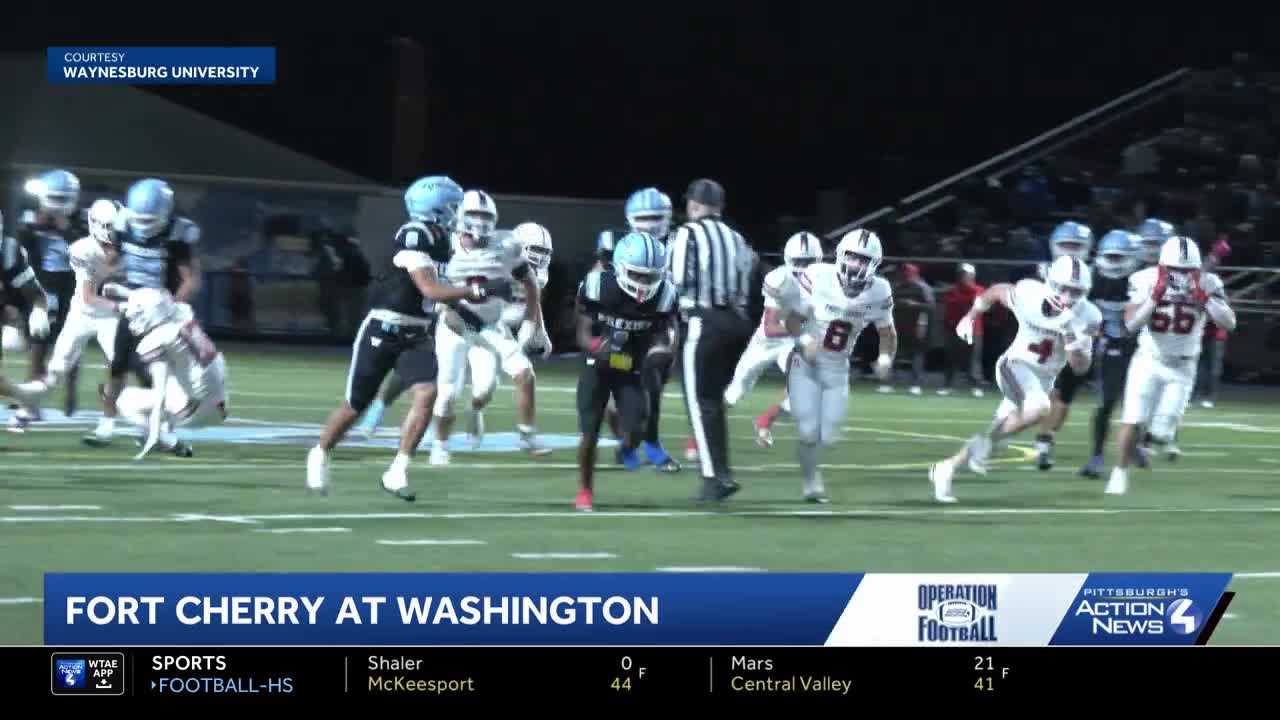
WPIAL unveils brackets, pairings for 2026 high school football playoffs
By Eric Thompson
Advertisement · Why this ad?
Richard Pendergast, a graduate of the University of Pennsylvania, has over 10 years of business reporting experience. Previously, he worked as an editor at the Pittsburgh Business Times where he honed his skills in analyzing market trends and corporate strategies.
More from Richard →
In the dim light of a small theater, a magician's hands move with practiced precision, captivating an audience that hangs on every word. As the final trick unfolds, a sense of wonder fills the air, reminiscent of the legacy left by one of the greatest illusionists of all time, Harry Houdini. This year marks the centennial of Houdini's death, and as we reflect on his life, a newly published essay offers fresh insights into the man behind the magic.
Harry Houdini, born Erik Weisz in 1874, passed away on October 31, 1926, in Detroit, Michigan. His death marked the end of an era for magic and illusion, leaving fans and historians to ponder the circumstances surrounding his final moments. Now, as we reach the 100-year milestone, a rare essay penned by Houdini himself has emerged, shedding light on his formative years and the influences that shaped his illustrious career.
This essay, titled "My Early Influences," was discovered among Houdini's personal effects and has been published for the first time. It details his early fascination with magic, his dedication to the craft, and the pivotal moments that led him to become a household name. The essay not only showcases Houdini's literary talent but also provides a glimpse into the mind of a man who would go on to redefine the art of illusion.
While the publication of this essay is a significant cultural event, it also reignites the debate surrounding Houdini's death. Questions linger about the exact cause of his demise, with various theories ranging from a ruptured appendix to complications from a series of staged escapes. As fans and historians alike grapple with the details of Houdini's final days, the new essay serves as a reminder of his enduring impact on the world of magic.
The revelation of Houdini's essay has sparked excitement among local historians and magic enthusiasts in Pittsburgh. Many have gathered to celebrate Houdini's legacy, with events planned throughout the city to honor the man who once captivated audiences worldwide. The Pittsburgh Magic Club, a local organization dedicated to the art of magic, is particularly enthusiastic about the newfound insights.
“Houdini has always been a source of inspiration for magicians everywhere,” said club president, Jack Thompson. “This essay gives us a deeper understanding of his journey and the challenges he faced. It’s a treasure for our community.”
In addition to the essay, local libraries and schools are hosting discussions and workshops that explore Houdini's life and contributions to the performing arts. These events aim to educate younger generations about the significance of Houdini's work and the art of magic. “We want to keep his spirit alive,” said Sarah Jenkins, a local teacher. “Houdini's story is not just about tricks; it's about perseverance and creativity.”
Houdini's legacy extends far beyond his death. His contributions to magic, escape artistry, and even film have left an indelible mark on the entertainment industry. He was not only a performer but also a pioneer who pushed the boundaries of what was possible on stage. His daring escapes and illusions captivated audiences and inspired countless magicians who followed in his footsteps.
As we commemorate the centennial of his passing, it’s essential to reflect on how Houdini's life continues to influence modern magic. Many contemporary magicians credit Houdini as a significant influence on their careers. They draw inspiration from his relentless pursuit of excellence and his innovative approach to performance.
In Pittsburgh, the annual Houdini Festival, which celebrates his life and achievements, is set to feature a series of performances and lectures. This year, the event promises to be particularly special as it coincides with the centennial of Houdini's death. Attendees can expect to see a variety of acts that pay homage to Houdini's style and creativity while also showcasing new talent in the world of magic.
Despite the passage of time, the circumstances surrounding Houdini's death remain shrouded in mystery. The most widely accepted account suggests that he died from a ruptured appendix, a condition exacerbated by his rigorous performance schedule and a series of staged escapes. However, some conspiracy theories suggest that he may have fallen victim to foul play, particularly given his interest in exposing fraudulent spiritualists.
Houdini's fascination with the supernatural and his quest to debunk fake mediums added a layer of complexity to his life and death. He had promised his wife, Bess, that if there was an afterlife, he would find a way to communicate with her. This promise has fueled speculation and intrigue surrounding his death, leading to numerous books and documentaries attempting to unravel the truth.
As the centennial approaches, historians and fans are revisiting these theories, analyzing evidence and examining Houdini's own words in the newly published essay. The ongoing debate about his death reflects the enduring fascination with Houdini and the magic he brought to the world.
Local libraries, such as the Carnegie Library of Pittsburgh, also host collections of books and documents related to Houdini, offering insights into his life and the era in which he lived. These resources are invaluable for anyone interested in understanding the impact of Houdini on magic and entertainment.
As the Houdini Festival approaches, fans can look forward to a series of performances and lectures that will explore Houdini's techniques and the evolution of magic. The festival promises to be a vibrant celebration of creativity and artistry, drawing together enthusiasts of all ages.
As we move forward, let us honor Houdini's memory by continuing to support the arts and fostering a sense of community built on shared dreams and aspirations. The centennial of Houdini's death is not just a moment to remember a great magician; it is an opportunity to reflect on the values that unite us all.
By Eric Thompson

By Sofia Patel

By Maria Gonzales

By Sofia Patel