Technology
Here are the 10 best Pittsburgh restaurants, according to a food critic's new rankings
By Richard Pendergast
Advertisement · Why this ad?
Tommy Liu has spent the past 12 years covering the business landscape in Pittsburgh. He holds a degree from Penn State University and has worked for local NPR affiliate WESA, where his investigations into business practices earned him a reputation as a knowledgeable resource in local economic issues. He has a keen eye for trends and a deep understanding of the local economy.
More from Tommy →
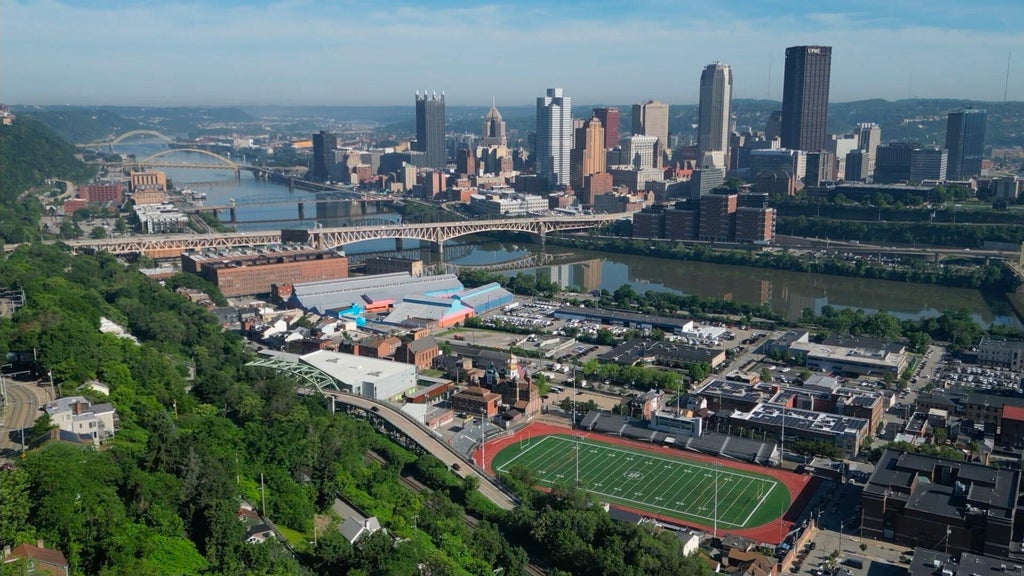
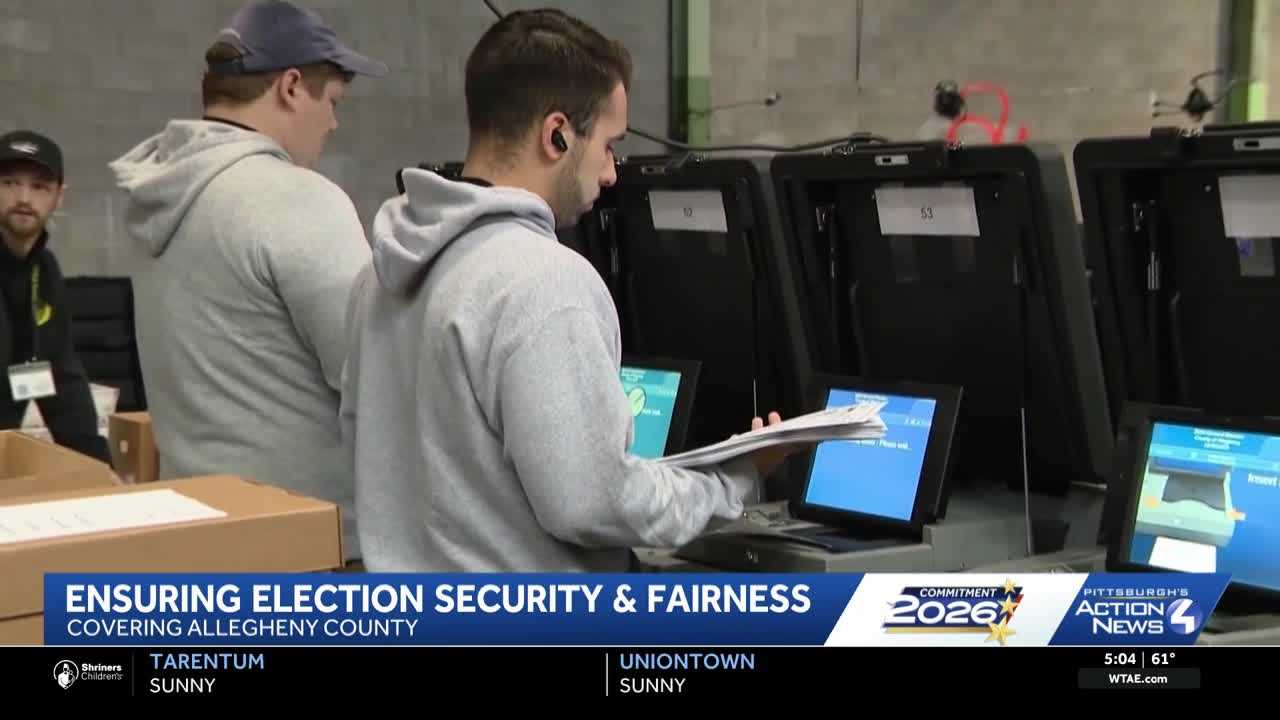
As the sun rises over Pittsburgh on Election Day, the streets buzz with anticipation. Voters clutch their ballots, many of them filled with choices that will shape their communities for years to come. Among the critical issues at stake are data centers—massive facilities that house servers and computer systems, driving the digital economy. This year, the debate surrounding these centers has elevated from a niche topic to a political flashpoint, especially as the 2026 midterms loom on the horizon.
On November 8, 2026, voters across the United States will face a series of ballot measures related to the construction and operation of data centers. These facilities are seen as pivotal to the growth of the digital economy, yet they also raise concerns about environmental impact, energy consumption, and local governance. In Pittsburgh, the debate has intensified as residents grapple with the implications of these facilities on their neighborhoods.
According to the City of Pittsburgh, data centers can provide significant economic benefits, including job creation and increased tax revenue. However, critics argue that the environmental costs associated with these centers—especially in terms of energy use and land development—are too high. As local governments prepare to present these measures to voters, the stakes have never been higher.
In recent months, public forums have been held to discuss the potential impact of data centers on local communities. Many residents have voiced concerns about increased traffic, noise pollution, and the strain on local resources. The Pittsburgh Chamber of Commerce has been actively involved in these discussions, emphasizing the potential for economic growth while acknowledging the need for responsible development.
The community's response to the data center debate has been mixed. Some residents, particularly those in economically disadvantaged areas, view data centers as a beacon of hope. The promise of new jobs and economic revitalization is enticing, especially in neighborhoods that have long struggled with unemployment and underinvestment. According to a recent survey conducted by the Pittsburgh Chamber of Commerce, over 60% of respondents believe that data centers could provide a much-needed boost to the local economy.
However, skepticism remains high among many residents. Environmentalists have raised alarms about the carbon footprint of data centers, which are notorious for their high energy consumption. A report from the Environmental Protection Agency indicates that data centers account for approximately 2% of the total electricity consumption in the United States, a figure that has been steadily increasing. Activists argue that without stringent regulations, the expansion of these facilities could exacerbate climate change and harm local ecosystems.
Moreover, some community leaders express concerns about the long-term implications of data centers on local governance. With the potential for increased traffic and infrastructure strain, there is a fear that local governments may not be adequately prepared to handle the challenges posed by these developments. The City of Pittsburgh has acknowledged these concerns and is working to develop comprehensive plans to mitigate potential negative impacts.
The economic implications of data centers are significant. Proponents argue that these facilities can create thousands of jobs, from construction to long-term operational roles. According to a study by the Bureau of Labor Statistics, the tech sector is one of the fastest-growing industries in the United States, and data centers are at the heart of this growth. In Pittsburgh, where the tech industry has seen a resurgence, data centers could play a crucial role in sustaining this momentum.
Additionally, data centers contribute to local tax revenues, which can be reinvested into community services such as education and infrastructure. The Pittsburgh Chamber of Commerce estimates that the construction of new data centers could generate millions in tax revenue over the next decade. This revenue could be instrumental in funding local projects that enhance the quality of life for residents.
However, the economic benefits must be weighed against potential downsides. Critics argue that while data centers may bring jobs, they often do not provide the same level of employment opportunities as other industries. Many positions are highly specialized and may not be accessible to the local workforce. This raises important questions about whether the economic benefits will truly reach the community at large.
The political landscape surrounding the data center debate is complex. As the 2026 midterms approach, candidates are increasingly vocal about their positions on this issue. Some politicians are championing data center development as a means to bolster the local economy, while others are advocating for stricter regulations to protect the environment.
Local politicians, including Pittsburgh Mayor Ed Gainey, have emphasized the importance of balancing economic growth with environmental stewardship. In a recent speech, Gainey stated, "We must ensure that our pursuit of economic development does not come at the expense of our environment and our communities. We can have both, but it requires careful planning and community involvement." This sentiment resonates with many voters who are seeking leaders who prioritize sustainable development.
As candidates prepare for the upcoming elections, the data center debate is likely to be a central theme. Voters will be tasked with making informed decisions about the future of their communities, weighing the potential economic benefits against the environmental and social costs.
Looking ahead, the outcome of the 2026 midterms will have lasting implications for data center development in Pittsburgh and beyond. If voters approve measures that favor data center construction, it could pave the way for a new wave of development that reshapes the local economy. Conversely, if voters express concerns about the environmental impact, it could lead to stricter regulations that slow down the growth of this industry.
Community engagement will be essential in the coming months as residents prepare to cast their votes. Public forums and town hall meetings will provide opportunities for citizens to voice their opinions and ask questions about the proposed measures. Organizations like the Pittsburgh Chamber of Commerce and local environmental groups are working to facilitate these discussions, ensuring that all voices are heard.
Ultimately, the data center debate is not just about technology and economics; it is about the future of Pittsburgh as a community. As residents weigh their options, they must consider what kind of city they want to build—a place that embraces innovation while remaining committed to the values of sustainability and community well-being.
By Richard Pendergast
By Sofia Patel
By Sofia Patel
By Sofia Patel