
Community
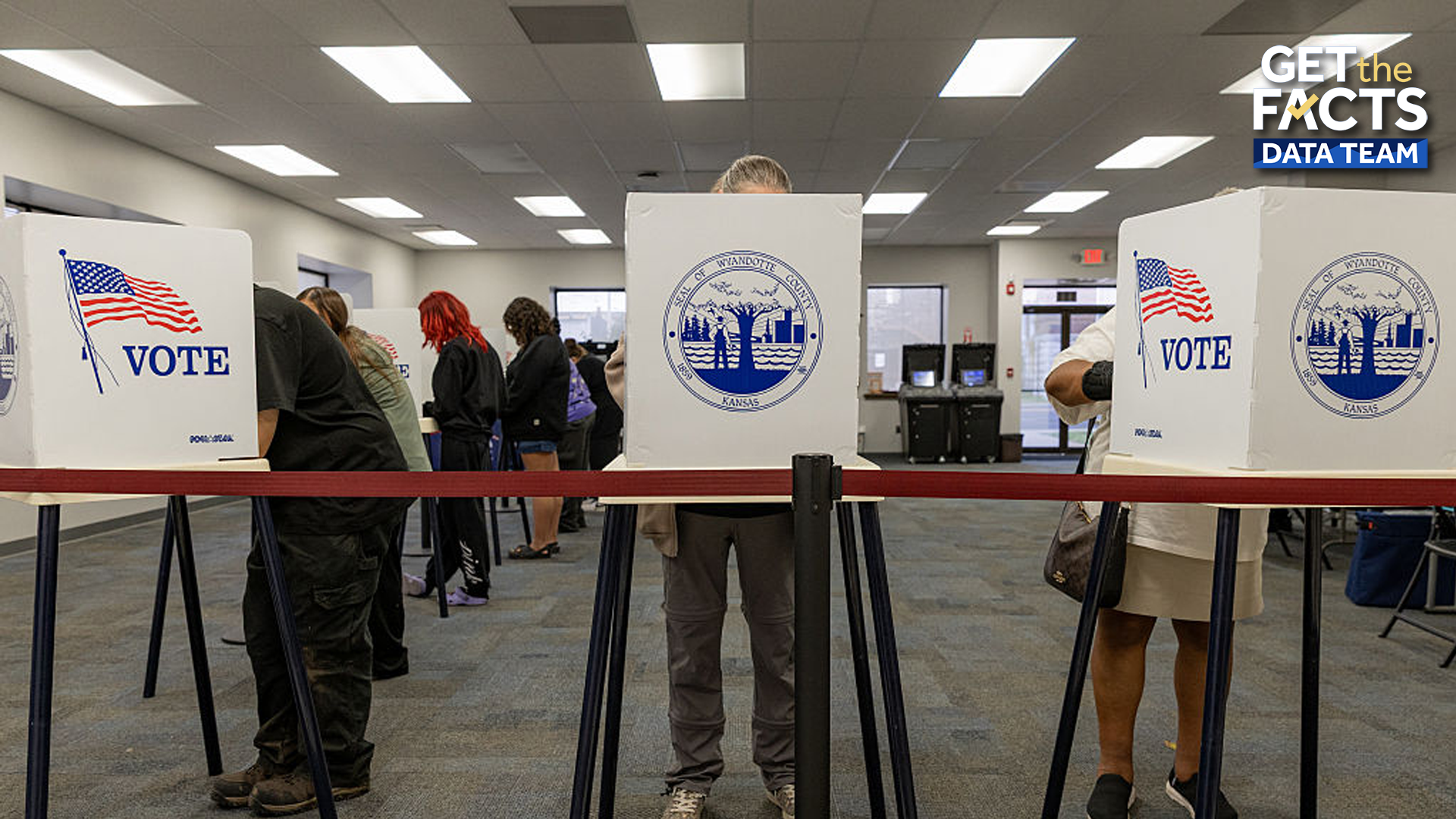
When will we know 2026 midterm election results? It may take some time, but that’s normal
By Sofia Patel
Advertisement · Why this ad?
Jason Reed, with a background in sociology from West Virginia University, has dedicated the last 5 years to uncovering community stories in Pittsburgh. His work has appeared in various local outlets, where he exclusively reports on grassroots initiatives and social justice issues.
More from Jason →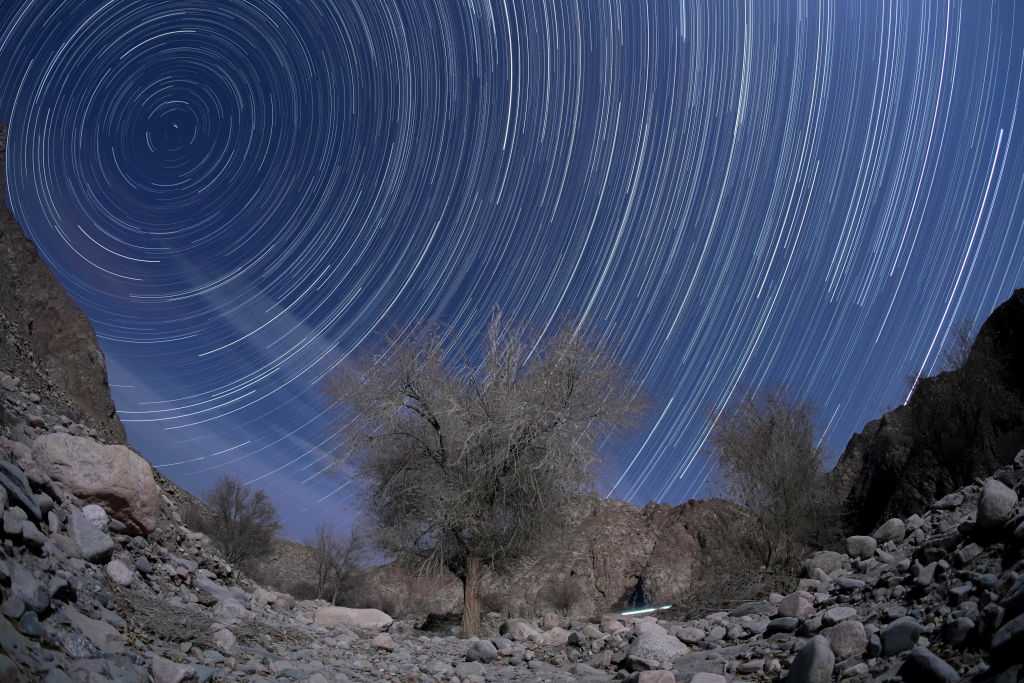
As the crisp autumn air settles over Pittsburgh, the night sky prepares to unveil a dazzling display of cosmic wonders. Families gather around bonfires, sharing stories and laughter, but their eyes often drift upwards, drawn by the promise of shooting stars. In November 2026, the heavens will not disappoint, offering a trio of meteor showers—the Taurids, Leonids, and the breathtaking Beaver Supermoon. Each event invites not just stargazers but also families to connect, dream, and marvel at the universe's beauty.
November is a month of celestial abundance, with three meteor showers lighting up the night sky. The Taurids, known for their slow-moving meteors, will grace us with their presence early in the month, peaking around November 5-6. This shower, while not the most prolific, is famous for its bright fireballs, offering a spectacular show for those patient enough to wait. The Taurids are remnants of Comet Encke and are particularly noted for producing a higher number of bright fireballs compared to other meteor showers, making them a favorite for photographers and night sky enthusiasts.
Following closely, the Leonids will peak around November 17-18. This meteor shower is renowned for its fast and bright meteors, which can sometimes produce impressive bursts of light. The Leonids are a favorite among astronomers, and their history of spectacular storms in the past adds an element of excitement for onlookers. In fact, the Leonids are famous for their meteor storms, which occur roughly every 33 years, with the last significant storm happening in 2001. This year may not be as prolific, but it still promises a thrilling display for those willing to venture outside.
Finally, the month culminates with the Beaver Supermoon on November 27. A supermoon occurs when the moon is at its closest point to Earth, making it appear larger and brighter than usual. This celestial event not only enhances the beauty of the night sky but also provides a perfect backdrop for family gatherings and outdoor activities. The Beaver Supermoon is named after the beaver trapping season in November, a nod to the traditions of Native American tribes. The sight of a full moon rising over Pittsburgh’s skyline will undoubtedly be a highlight of the month.
These astronomical events are more than just a spectacle; they are opportunities for community bonding. Local astronomy clubs, such as the Pittsburgh Planetarium, often host stargazing events, inviting families to come together to learn about the cosmos. Such gatherings foster a sense of unity and shared wonder, as neighbors and friends gather under the same sky, exchanging stories and knowledge. Events like these can include guided tours of the night sky, where local astronomers share insights about constellations, planets, and the science behind meteor showers.
For families, this is also a chance to instill a sense of curiosity and appreciation for science in children. The act of watching meteors streak across the sky can spark conversations about the universe, inspiring young minds to explore the realms of astronomy and science. With the right preparation, parents can turn these nights into memorable experiences, complete with blankets, hot cocoa, and a telescope for closer views of the moon and stars. Local shops often sell stargazing kits, which include star maps and binoculars, making it easier for families to engage with the night sky.
To make the most of these celestial events, preparation is key. Finding a dark location away from city lights enhances the visibility of meteors. Parks such as Frick Park or Schenley Park offer excellent spots for families to set up their blankets and enjoy the show. These parks not only provide open spaces but also host educational programs and night sky events throughout the year. Bringing along refreshments and warm clothing can make for a cozy and enjoyable evening.
Moreover, local schools and community centers may organize events to educate families about the science behind these phenomena. Such educational initiatives not only enhance the viewing experience but also emphasize the importance of family engagement in learning about the natural world. Workshops on how to identify constellations or the history of meteor showers can further enrich the experience, ensuring that families leave with a deeper understanding of what they observe.
In today's fast-paced world, moments spent together as a family are invaluable. As parents seek to create lasting memories with their children, stargazing offers a unique opportunity to step away from screens and distractions. The beauty of the night sky serves as a reminder of the bigger picture, encouraging families to bond over a shared experience. In Pittsburgh, where the hustle and bustle of urban life can often overshadow personal connections, these celestial events provide a much-needed respite.
Moreover, events like these can strengthen community ties. When families gather to watch the meteors or the supermoon, they often engage in conversations that lead to deeper connections. These interactions can foster friendships and create a sense of belonging, which is essential in nurturing strong communities. Local businesses may also benefit from these gatherings, as families often stop by cafes or shops for warm drinks and snacks before heading out to view the night sky.
As families share their thoughts and feelings while gazing at the stars, they also have the chance to reflect on their own lives. Such moments can inspire gratitude and a renewed commitment to one another, echoing the values of love, support, and unity that are vital for strong marriages and intact families. Community leaders may even encourage families to share their experiences on social media, creating a shared narrative that highlights the importance of these astronomical events in fostering community spirit.
As we anticipate the celestial events of November 2026, it's essential to consider the future of stargazing in Pittsburgh. With advancements in technology, more families are becoming interested in astronomy. Local organizations, like Astronomy Magazine, provide resources and information to help families engage with the stars. The rise of mobile apps that identify constellations and track meteor showers has made stargazing more accessible than ever, allowing families to enjoy these events from their own backyards.
Moreover, schools are increasingly incorporating astronomy into their curricula, allowing children to learn about the universe in a hands-on manner. This educational focus not only enriches their knowledge but also encourages teamwork and collaboration among students. As children learn to observe the night sky, they develop a sense of wonder that can inspire lifelong passions. Local science fairs often feature projects related to astronomy, showcasing the talents and interests of young stargazers.
In a world where the mundane often overshadows the extraordinary, the beauty of the cosmos serves as a powerful reminder of the wonders that exist beyond our everyday lives. By fostering a culture of curiosity and exploration, families can create a legacy of wonder that transcends generations. Community initiatives that promote stargazing can help ensure that future generations appreciate the beauty of the night sky, encouraging them to explore and protect our universe.
As Pittsburgh prepares for the Taurids, Leonids, and Beaver Supermoon, let us embrace the opportunity to come together as families and communities. These celestial events are not just moments to witness; they are invitations to connect, learn, and grow together in faith and love. As we look up at the stars, we are reminded of our place in the universe and the shared experiences that bind us all.
By Sofia Patel
By Jason Reed

By Jason Reed
By Jason Reed