Community
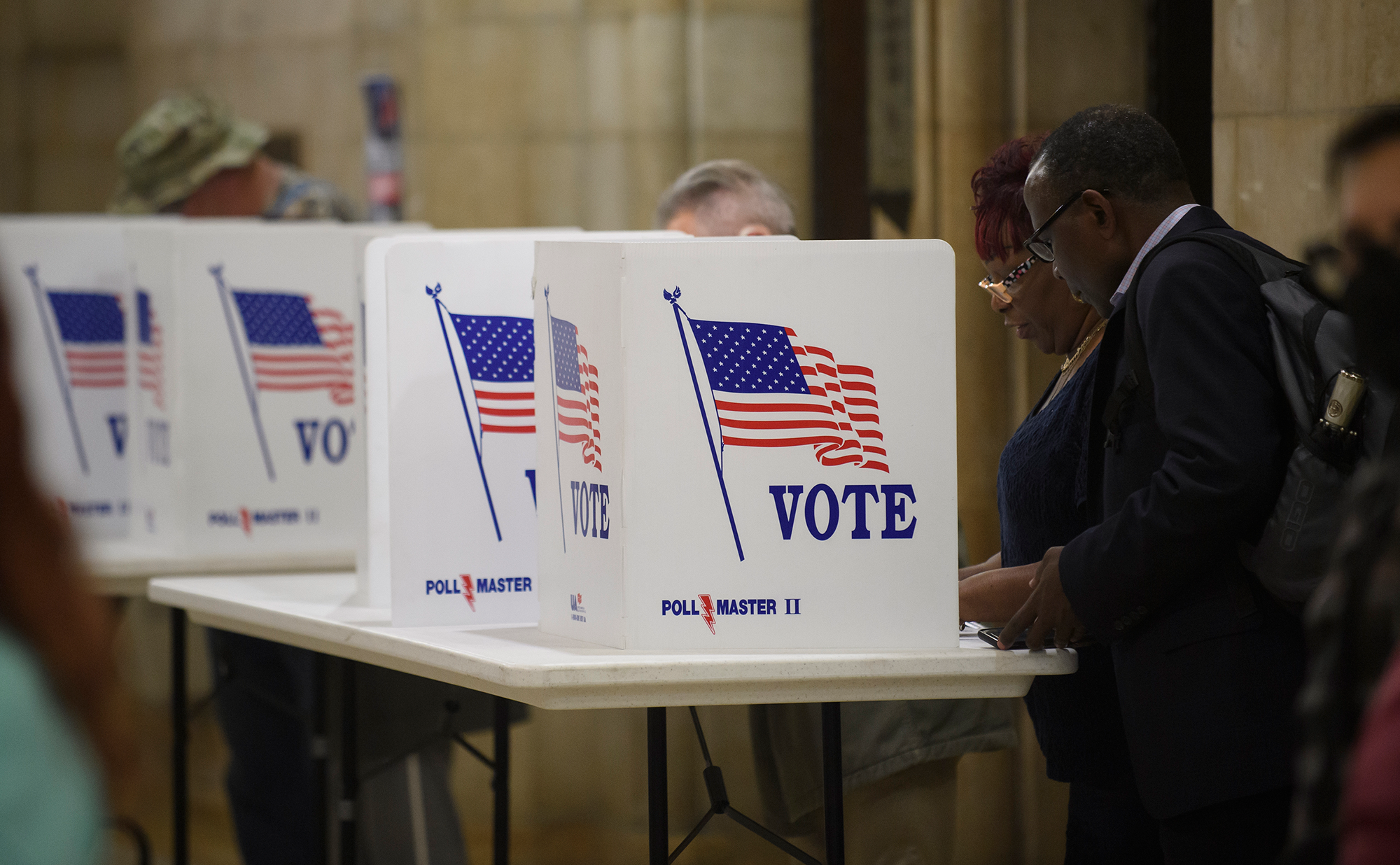
Where to vote: Find your polling location in Pennsylvania
By Sofia Patel
Advertisement · Why this ad?
Sofia Patel is a community-focused journalist with a bachelor’s degree from Chatham University and over 6 years of experience reporting on neighborhoods in and around Pittsburgh. She has previously contributed to City Paper, where her in-depth profiles showcased the diverse voices and stories from various communities.
More from Sofia →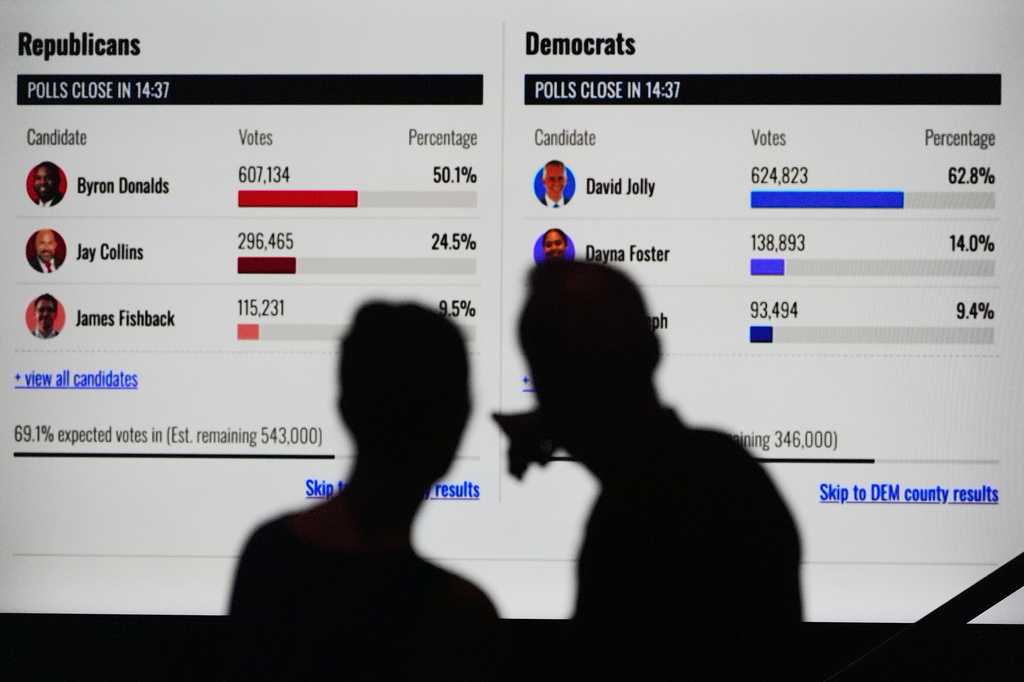
As the sun sets on election night, a palpable tension fills the air. Families gather around their televisions, anticipation buzzing as they await the results of critical midterm races. Yet, as the clock ticks past midnight, many find themselves in the same position as the last election: uncertain. The reality is, if you go to bed on election night without knowing who won a midterm congressional race, that’s perfectly normal.
The midterm elections in 2026 are set to be a pivotal moment in American politics, with all 435 seats in the House of Representatives and 34 of the 100 Senate seats up for grabs. As voters prepare to cast their ballots, the question on everyone’s mind is: when will we know the results? The answer, as many have come to learn, is that it may take some time.
Election officials across the country are working diligently to ensure that every vote is counted accurately, and this process can take longer than expected. In recent years, the trend has been toward an increase in mail-in and early voting, which, while making voting more accessible, can also complicate the counting process. In 2022, many races were not called until days after the election, a reality that could very well repeat itself in 2026.
Counting votes is a meticulous process, one that involves not only tallying ballots but also verifying their authenticity. Each state has its own rules and regulations regarding how votes are counted and reported. For instance, some states begin counting mail-in ballots before election day, while others wait until the polls close. This variation can lead to discrepancies in reporting timeframes, adding to the uncertainty of when results will be available.
Moreover, election officials must navigate challenges such as potential legal disputes or recounts, which can further delay the announcement of results. In Pennsylvania, for example, the law allows for absentee and mail-in ballots to be counted as long as they are postmarked by election day and received within a specified timeframe. This means that even if the polls close on November 8, 2026, the counting may continue for days or even weeks afterward, especially in tightly contested races.
For many Pittsburgh residents, the uncertainty surrounding election results is a source of frustration. “It’s nerve-wracking,” says local teacher Maria Gonzalez. “You want to know who your representatives are going to be, but you also want to make sure every vote is counted properly.” Maria is not alone in her sentiment; many community members express a desire for a more streamlined process that provides timely results without sacrificing accuracy.
Local officials are aware of these concerns and are working to improve the voting and counting process. The Allegheny County Elections Division, for instance, is investing in new technology to help expedite the counting of ballots. “We want to ensure that every vote is counted and that the public has confidence in the electoral process,” says Elections Division Director David Voye. “We are committed to transparency and efficiency.”
As the community gears up for the 2026 midterms, it’s essential to emphasize the importance of patience. While the desire for immediate results is understandable, the integrity of the election must come first. Many voters have expressed concerns over election security and the validity of results. Ensuring that every vote is counted accurately is crucial for maintaining trust in the democratic process.
Local faith leaders, such as Pastor James Thompson of the Pittsburgh Community Church, encourage residents to remain calm. “We need to remember that our democracy is built on the principle of every vote counting,” he says. “It’s okay to be anxious, but let’s trust the process and support our election officials in their efforts.”
Looking ahead to the 2026 midterms, residents can take proactive steps to ensure their voices are heard. First and foremost, it’s essential to be informed about the voting process in Pennsylvania. The state offers a wealth of resources for voters, including information on how to register, where to vote, and how to track mail-in ballots. The Pennsylvania Department of State provides valuable information to help voters navigate the electoral landscape.
Additionally, community organizations are stepping up to engage voters and provide education on the electoral process. Groups like the Pittsburgh Chamber of Commerce are hosting events to inform residents about the importance of voting and how to make their voices heard. These initiatives aim to empower citizens and foster a sense of community engagement.
As election day approaches, residents can prepare by ensuring they are registered to vote and familiarizing themselves with the ballot. Taking the time to research candidates and issues can make a significant difference in the voting experience. Local libraries and community centers often host informational sessions, providing residents with the resources they need to make informed decisions.
Moreover, voters should consider their voting options. With the rise of mail-in voting, it’s essential to understand how to complete and submit ballots correctly. The Allegheny County Elections Division offers guidance on mail-in voting procedures, ensuring that every resident knows how to participate in the election safely and securely.
Local leaders play a crucial role in shaping the electoral landscape in Pittsburgh. City Council members, state representatives, and community activists are actively working to ensure that all voices, especially those from underrepresented communities, are heard. Councilwoman Erika Strassburger emphasizes the importance of equitable access to voting. “We must ensure that every resident, regardless of their background, has the opportunity to participate in our democracy,” she states. Her commitment to voter outreach has led to initiatives aimed at increasing registration among young voters and minorities.
The outcome of the 2026 midterm elections will have far-reaching implications for Pittsburgh and its residents. With critical issues such as healthcare, education, and infrastructure on the ballot, the stakes are high. Local activist and community organizer Jamila Brown notes, “These elections are not just about who holds office; they’re about the future of our community. Every vote counts, and we need to make sure our voices are heard.” Her organization is mobilizing efforts to educate voters on the issues at stake and the importance of their participation.
As we approach the 2026 midterms, the community’s commitment to civic engagement will play a vital role in shaping the future. By working together and supporting one another, residents can ensure that their voices are heard loud and clear. Initiatives like voter registration drives, community forums, and educational workshops are critical in fostering a politically aware citizenry. These efforts are not just about the upcoming elections; they are about building a stronger, more informed community for years to come.
By Sofia Patel
By Sofia Patel

By Jason Reed
By Jason Reed